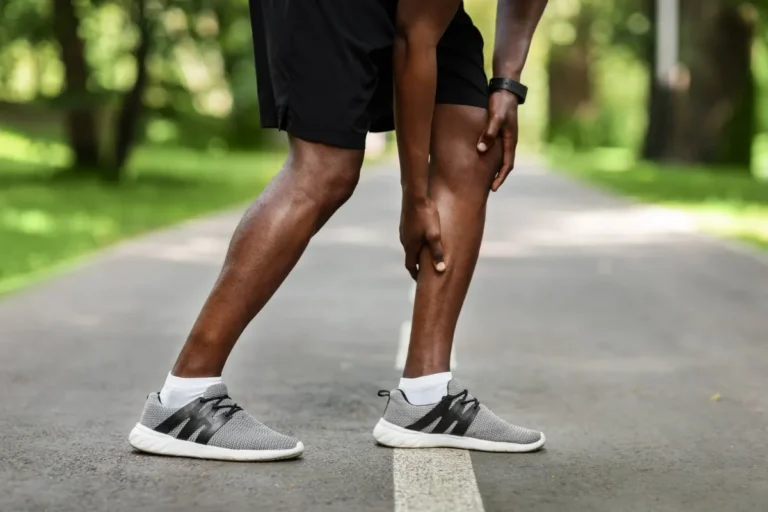
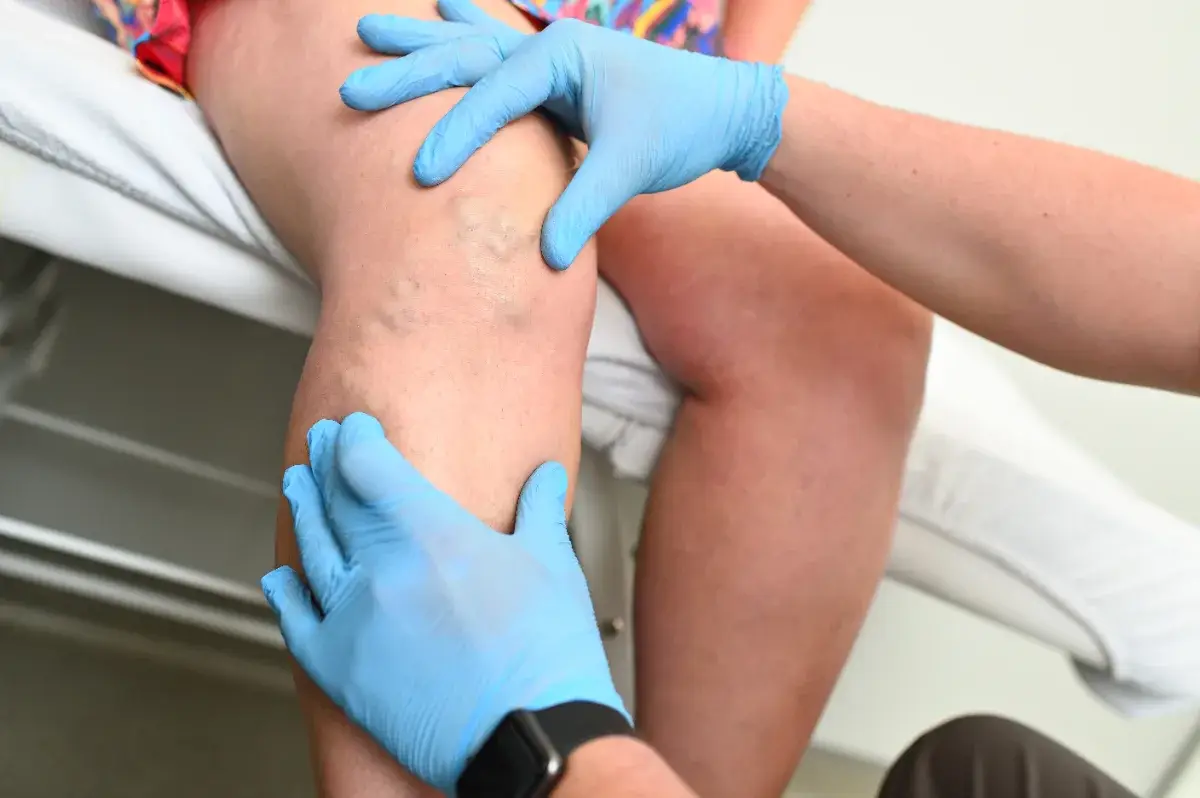
Can exercise prevent varicose veins? This is a fair question, and it deserves a careful answer. The clinical information VidaVascular relies on does not give a list of specific exercises, and it does not promise that any activity will prevent varicose veins.
What it does describe are everyday supportive steps, including walking, leg elevation, compression stockings, and weight management when relevant. It also notes that long hours of standing or sitting are a common risk factor.
So instead of a workout plan, this article covers what is actually known about everyday habits and leg vein care, which signs mean it is time to get checked, and what to do if habits alone are not enough.
What is going on inside your leg veins?
Your leg veins have tiny one-way doors called valves. These valves help push blood upward against gravity. When valves weaken, blood can fall backward and pool in the vein. This is called venous reflux.
Over time, the vein stretches and becomes varicose. Some people mainly notice how this looks. Others feel heavy, achy, or swollen by the end of the day.
Spider veins are smaller and sit closer to the skin. They can happen for similar reasons, and they often develop because of a mix of genetics and pressure in the veins over time.
Which everyday habits does vein care mention?
For leg vein problems, clinicians may recommend supportive steps such as these, depending on your case:
- Walking
- Leg elevation
- Compression stockings
- Weight management, when relevant
These are described as alternatives or add-on treatments that may be recommended, not as guaranteed ways to prevent varicose veins. They also sit alongside other options, which is why a personal evaluation matters.
If you already have varicose veins, walking and the other steps above are part of the conversation, not a replacement for it. Ask your clinician what makes sense for your legs and your daily routine.
Compression also has a role in more advanced vein disease. If you have venous leg ulcers, studies show that treating superficial reflux earlier can help ulcer healing, alongside compression.
Do work and daily routines matter?
They can. Jobs with long hours of standing or sitting are on the list of common risk factors for varicose veins. The same list includes family history, pregnancy, aging, higher body weight, and prior blood clots or vein injury in some cases.
That list is a helpful reminder that habits are only part of the picture. Several of these risk factors, such as family history, pregnancy, and aging, are not about what you do day to day. If your veins bother you, it does not mean you did something wrong. The contributors listed for spider veins are similar, and they also include long hours standing or sitting.
If your work keeps you on your feet or at a desk for hours, mention it at your visit. It is useful context, and your clinician can talk through your options with it in mind.
Which leg symptoms mean it is more than cosmetic?
Varicose veins are not always just an appearance issue. If you have symptoms, skin changes, or swelling, they may be part of a medical condition. Signs to watch for include:
- Aching, heaviness, throbbing, or burning in the legs
- Swelling around the ankles or lower legs
- Night cramps or restless legs
- Itching over a vein or dry, irritated skin
- Brownish skin color changes near the ankle
- A firm, tender vein that feels like a cord
- Slow-healing wounds or open sores near the ankle
You do not need to wait until it gets awful to get checked.
What if everyday habits are not enough?
If symptoms continue, a vein evaluation can look for the cause. Most evaluations start with a conversation about your symptoms and a physical exam. A duplex ultrasound is the key test used in many vein practices. It works like a live video of blood flow and can show which vein segments have reflux and whether the issue involves superficial veins, deep veins, or both.
From there, options may include endovenous ablation, a minimally invasive treatment that closes a refluxing vein from the inside. Other options include sclerotherapy, which injects medication to close smaller veins, and phlebectomy, which removes bulging surface veins through tiny punctures. The goal is to match the plan to the reason you have symptoms, not just to how the veins look.
When should you see a vascular specialist?
Consider a visit if your legs feel heavy, achy, or swollen, if you notice skin changes near the ankle, or if you have a slow-healing sore. Leg vein symptoms can sneak up on you. First it is “my legs feel tired,” and then you are planning your day around them.
VidaVascular offers varicose vein care, including evaluation and endovenous ablation for appropriate candidates. Read more about varicose vein treatment, or see the other conditions we evaluate.
Know the emergency signs. If you ever have sudden one-leg swelling, chest pain, or shortness of breath, that can be an emergency because it may involve a blood clot. Call 911 or seek emergency care right away.
Ready to talk through your leg symptoms? Call VidaVascular at (866) 800-2346 or request an appointment. You can be seen at our offices in Oxon Hill, MD, White Plains, MD, and Springfield, VA (see all locations). We accept most major insurance providers, so please call to confirm your plan.
References
- Gloviczki, P., Comerota, A. J., Dalsing, M. C., Eklof, B. G., Gillespie, D. L., Gloviczki, M. L., Lohr, J. M., McLafferty, R. B., Meissner, M. H., Murad, M. H., Padberg, F. T., Pappas, P. J., Passman, M. A., Raffetto, J. D., & Wakefield, T. W. (2011). The care of patients with varicose veins and associated chronic venous diseases: Clinical practice guidelines of the Society for Vascular Surgery and the American Venous Forum. Journal of Vascular Surgery, 53(5 Suppl), 2S-48S.
- Gohel, M. S., Heatley, F., Liu, X., Bradbury, A., Bulbulia, R., Cullum, N., … & EVRA Trial Investigators. (2018). A randomized trial of early endovenous ablation in venous ulceration. The New England Journal of Medicine, 378(22), 2105-2114.
- Rasmussen, L. H., Lawaetz, M., Bjoern, L., Vennits, B., Blemings, A., & Eklof, B. (2011). Randomized clinical trial comparing endovenous laser ablation, radiofrequency ablation, foam sclerotherapy, and surgical stripping for great saphenous varicose veins. British Journal of Surgery, 98(8), 1079-1087.
- Wittens, C., Davies, A. H., Baekgaard, N., Broholm, R., Cavezzi, A., Chastanet, S., … & De Maeseneer, M. (2015). Editor’s Choice: Management of chronic venous disease: Clinical practice guidelines of the European Society for Vascular Surgery (ESVS). European Journal of Vascular and Endovascular Surgery, 49(6), 678-737.
- Nakano, L. C. U., Cacione, D. G., Baptista-Silva, J. C. C., & Flumignan, R. L. G. (2021). Treatment for telangiectasias and reticular veins. Cochrane Database of Systematic Reviews, 2021(10), CD012723. https://doi.org/10.1002/14651858.CD012723.pub2